Recently we received an inquiry from 'Peggy' who asked, "
I'm not certain which test kit to order, I use well water. Do I do the testing in my home or is this a kit I mail in to get results?"
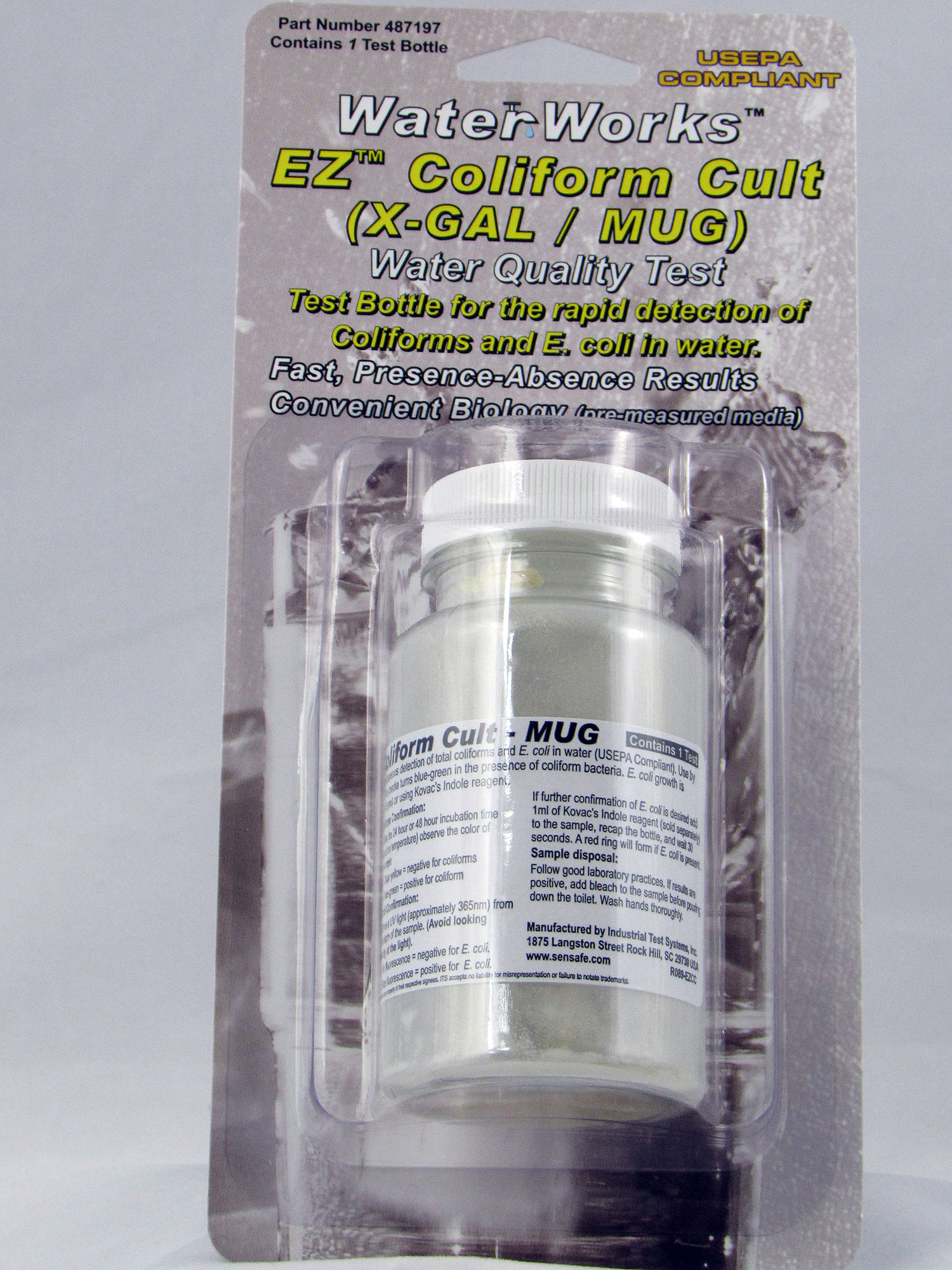
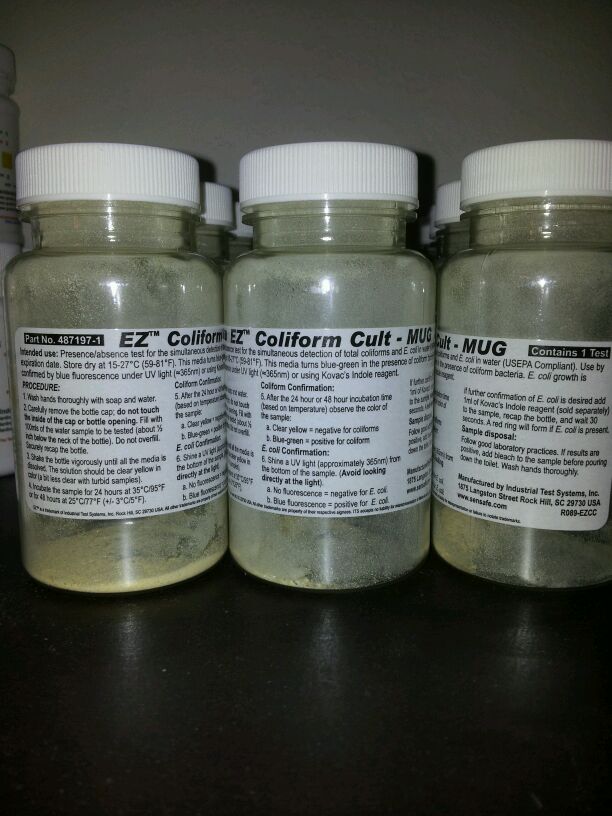
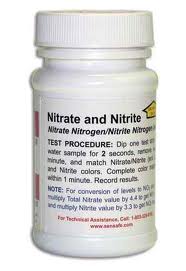
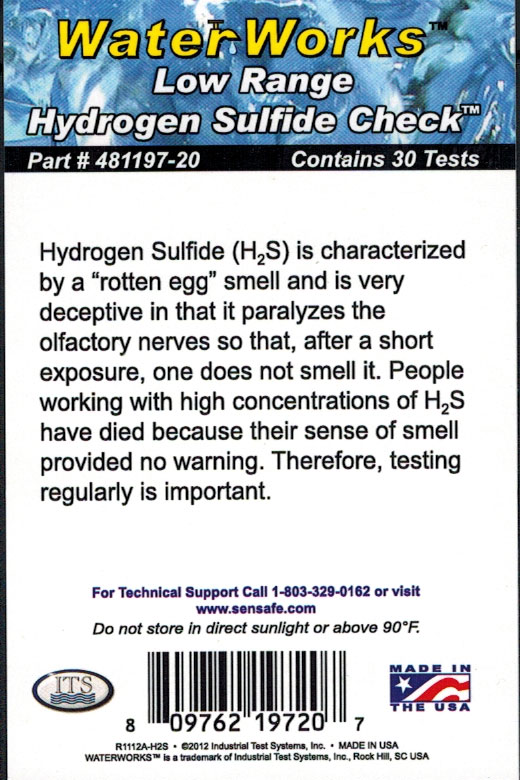
Thank you, Peggy, for your inquiry. At this time we offer two types of water test kits for home use:
If you do not suspect anything terribly wrong with your water and you just want to get a general idea of your basic water quality situation, then a do-it-yourself kit should do the trick.
If, on the other hand, you want to get a more precise idea of what's going on with your water, one that includes tests for things an at-home test cannot detect, then using a mail-in testing services make more sense.
We also suggest using mail-in water test services for the purpose of determining what sort of water treatment system, if any, a person should install.
DIY advantages?
With a DIY home water test kit you can test for basic water quality parameters and get results in minutes. Kits of this nature work very well as a simple screening method designed to alert homeowners to potential water quality issues.
DIY Disadvantages?
While kits of this nature offer fast results and low cost, they cannot test for a number of potential water contaminants that concern a lot of people these days (i.e. Disinfection byproducts like THM's, volatile organic compounds like benzene, etc.)
Additionally, due to the simplicity of DIY water testing methods, most tests give a general idea of contamination based on visual comparison of test strips or sample colors to color charts... which means the element of human interpretation exists and could lead to 'off' readings.
Mail-in advantages?
First of all, water submitted for testing via a mail-in method should get analyzed in a qualified, accredited water testing laboratory using properly calibrated equipment so no human interpretation should skew test results.
Since laboratory grade equipment does the analysis, results obtained from mail-in testing services have a much higher degree of accuracy and precision than DIY home water testing methods.
We should note here, however, that we ALWAYS suggest having a home's water tested by a qualified water testing laboratory prior to making a substantial significant investment in a home water treatment system.
Mail-in disadvantages?
Along with greater accuracy, more possible tests performed, and the peace of mind that comes with using a qualified water testing laboratory... comes a higher cost for the testing.
Most mail-in water testing services offer packages that include just the 'basics' (pH, bacteria, nitrates, nitrites, hardness, alkalinity, etc.) all the way up to packages that test for the 'basics' and hundreds of metals, VOC's (volatile organic compounds), etc.
The more things you want to test for, the more expensive the mail-in water test kit.
What is the BEST water test kit?
Anyone that claims to have 'the best water test kit' for all water quality situations... wants to sell you the kit they have in their hand.
Every water quality situation has unique characteristics that make it impossible for 'one kit to rule them all' so we suggest taking a general approach to water testing and testing for as many parameters and contaminants as you can so you can get a baseline reading of your actual water quality situation. Then, if specific areas require attention, you can perform follow up testing using a local laboratory.
Only THEN do we suggest weighing options of water quality filtration systems and deciding which water treatment option makes the most sense.