Recently we have come across several useful web sites which feature water quality testing information, links to highly accurate home drinking water test kits from several reputable manufacturers, high quality water filter systems, and replacement filters for a wide range of drinking water filter systems. The links below will take you to their main pages:
Archives for Water Quality Testing
Drinking Water Quality Testing and Water Filters
Information About Mercury
Several of our Water Testing Blog readers have asked us to provide some basic information about mercury, its history, and how to test for it if they wanted to know if it had somehow gotten into their water supply. Below please find some very basic facts about mercury:
- Mercury exists in several forms: Elemental/Metallic Mercury, Inorganic Mercury Compounds, Organic Mercury Compounds.
- Mankind can neither create nor destroy mercury.
- Pure Mercury is a liquid metal at room temperature and standard environmental conditions. It is sometimes referred to as ‘quicksilver’ and volatizes readily.
- Industry has used Mercury in the manufacturing process of thermometers, switches and lightbulbs.
- The burning of coal releases mercury into the environment.
- Production of chlorine, burning of certain hazardous waste products, improper storage/disposal of mercury products, and the accidental spilling of mercury products releases mercury into the environment.
- Mercury released into the environment typically winds up in soil and in bodies of water where certain microorganisms can convert into a highly toxic compound known as methylmercury.
- The compound methylmercury can build up in animals such as fish and humans consume these animals so in the United States, the EPA and FDA work together issuing advisories and warnings when environmental samples reveal higher than normal levels of methylmercury in test specimens.
So… what can the average consumer do to protect themselves against accidental exposure to mercury and its highly toxic chemical derivatives such as methylmercury? First off, heed posted signs from local health departments regarding eating the fish from known or unknown bodies of water. Second, if you fear that your drinking water source may have gotten contaminated with mercury, or ANY other harmful element, get your water tested by a certified drinking water testing facility.
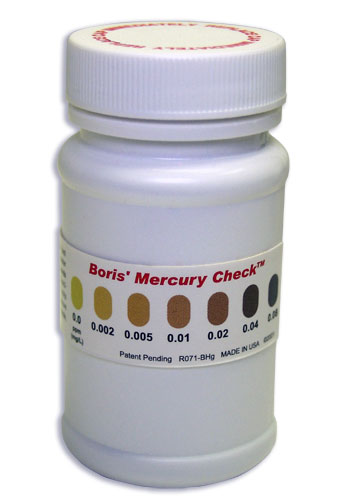
Can consumers test for the presence of mercury in water? Yes, but keep in mind that do-it-yourself testing kits for mercury in water serve only as screening tools, and not as the final word for determining whether or not a water supply meets the requirements for safe human consumption.
Safe Drinking Water While On Vacation
So you took the plunge and installed the proper water filtration system at your home, school or office and feel confident that you now have safe, clean drinking water available at all times. Good for you!
One question, though…. What will you do on your next vacation overseas? You can’t take your home water filtration system with you, ya’ know!
“The World Health Organization (WHO) attributes 80% of all travel diseases to contaminated drinking water. Don’t let contaminated drinking water spoil your trip. Avoid tap water and ice cubes anytime the water quality is uncertain – even bottled water can be questionable, when available. According to WHO, almost half of all travellers suffer from some form of diarrhoea while en-route.” (source)
For those not very good at math, that last statement means scientists have concluded that most of the sudden illnesses people came down with while away from home resulted from their having consumed contaminated drinking water in the form of ice cubes, bottled water and/or water from the tap.
“Huh? Contaminated tap water? I thought tap water was supposed to be safe…” — A common misconception in countries outside the United States and other Western nations. While the water in those places may undergo filtration and purification, the quality of the finished product may still not measure up to the quality of the water coming from your tap back home and thus may cause you to get sick.
Some other things to consider while making food and beverage choices while away from home…
“When travelling to many countries, special precautions should be taken to avoid sickness from micro organisms in food and especially water. Many countries still fertilise with human excrement, making it important to follow a few tips to avoid getting sick.” (source)
OK, so what can you do to avoid potentially contaminated drinking water while away from home on vacation? The following tips will help:
- Order your drinks without ice unless you know the water used to make the ice came from a safe source.
- Drink only industrially bottled beverages. Bottles or cans which arrive already ‘open’ may have become contaminated since their time of manufacturing.
- Order your food well-cooked. While tempting to order some foods (steak as an example) rare because of personal preference, avoiding raw or slightly cooked foods, seafood, mayonnaise, ice cream, butter, etc. will help to keep you safe.
- Avoid eating food from street vendors. You have no way of knowing how hygienic the food preparation process, cooking process and/or equipment cleaning process is.
- Only eat fruits, raw vegetables, or salads if you know the water used to clean and rinse them came from a trusted source. Keep in mind, though, that you do have the option of thoroughly rinsing them yourself with disinfected water if available.
- Avoid raw milk. Pasteurized milk is safe to drink because it has undergone a heating process which kills of harmful bacteria.
- Fruit juices with high sugar content create a prefect environment for bacteria to grow. One should only drink fruit juices from (factory) sealed containers or from properly cleaned and sanitized blenders.
- As a general rule, fresh hot coffee and tea typically will contain no harmful bacteria because of the heating process used to prepare them. Beer and wine usually also contain no threats but do keep in mind that improperly cleaned glasses, mugs and steins can still make you sick. Also, alcoholic beverages will not kill off bacteria already in the stomach — meaning you cannot use an alcoholic beverage as a safety tool while eating/drinking other items which may contain harmful bacteria.
- Brush your teeth with water from a trusted source such as bottled water, etc. Even a single drop of contaminated water may contain enough harmful bacteria to make a person very ill.
- Use only water from a trusted source when taking medications as. A single drop of contaminated watrer may contain more than enough bacteria to make a person sick and Always use
- One should never bathe or rinse off with ‘random’ surface water.
- Wash your hands on a regular basis and especially after using the bathroom, handling items handled by other members of the general public, etc. Furthermore, just like when home, wash hands thoroughly before eating or handling food.
- When drying off after a shower or swimming session, always use freshly washed towels.
Interested in learning about portable drinking water filtration units you can use while on-the-go, away from home, in the woods, out in the wild, or pretty much anywhere other than home? Take a look at the Katadyn water filtration & purification devices on this water quality filters web site.
WQA Gold Seal Certification
In a previous post we discussed NSF Certification of water quality treatment devices and stated that devices meeting the requirements for NSF Certification would most likely do a far better job of keeping your drinking water safe and clean than non-NSF certified drinking water quality purification devices.
Question: Do other organizations other than NSF International also do independent testing of devices to ensure product quality and help guarantee that manufacturers have not fabricated the claims made in their literature.
Answer: Yes. One such organiztion goes by the name of the Water Quality Association and it, too performs and/or outsources manufacturer-independent testing of drinking water quality devices. They call their program the Gold Seal Product Certification Program and make the following statement regarding its purpose and place in the drinking water quality industry:
“The Water Quality Association’s Gold Seal Certification Program is dedicated to providing public health and safety services throughout the USA and globally, while maintaining expert service, superior reputation, and fair pricing. The Gold Seal Program offers certification of all products and chemicals that contact drinking water.” (source)
Question: Does either the Gold Seal Certification Program or the NSF Certification Program guarantee that a product will perform exactly as it needs to in order to provide you with good, clean and safe drinking water?
Answer: Not unless you know ahead of time what aspects of your drinking water need correcting! Think of it this way… Buying a high quality running shoe that fits your foot perfectly will not help you when you need to go ice skating.
Water Quality Report / Consumer Confidence Report (CCR) — Brief Introduction
Many consumers do not know that they can obtain the results of a comprehensive annual water test performed by their municipal water supplier for FREE — if they just knew where to look.
Consumer may click here to visit a page on the United States Environmental Protection Agency’s Safe Water Web Site where they can begin their quest for information on obtaining a copy of their state’s annual Drinking Water Quality Report.
When it comes to drinking water quality, a little education can go a long way — and can save the average consumer a lot of money!
A second piece of advice for anyone considering a consultation session with a water treatment specialist deals with knowing whether or not they have received or earned accreditation from a nationally recognized water quality organization such as the Water Quality Association. You can search for water quality professionals (commercial, retail, dealers, manufacturers, etc.) in your area in the Water Quality Association’s member database for free by clicking here.
Gender Changing Pharmaceuticals in Drinking Water
Lots of (manly) men out there may start taking a greater interest in the quality of their drinking water after reading that scientists and researchers have positively identified drinking water contaminants known to alter the gender of wildlife over time — and have also found them in some public water supplies.
Scientists are warning that manmade pollutants which have escaped into the environment mimic the female sex hormone oestrogen.
The males of species including fish, amphibians, birds, and reptiles have been feminised by exposure to sex hormone disrupting chemicals and have been found to be abnormally making egg yolk protein, normally made by females, according to the report by Chem Trust, environmental group.
The authors claim that the chemicals found in food packaging, cleaning products, plastics, sewage and paint cause genital deformities, reduce sperm count and “feminise” males.
Fish have been specifically affected by the gender changing chemicals. In one study, half the male fish in British lowland rivers had signs of being feminised – as chemicals which block the male hormone androgen had been released- leading to the development of eggs in their testes.
Although the report only looked at the impact of gender bending chemicals on the animal world, its authors say the findings have disturbing implications for human health.
Gywnne Lyons, a former Government advisor on chemical pollution and author of the report, said: “Urgent action is needed to control gender bending chemicals and more resources are needed for monitoring wildlife.
“If wildlife populations crash, it will be too late. Unless enough males contribute to the next generation there is a real threat to animal populations in the long term,” she added.
The paper lists the affected species and include, flounder in UK estuaries, cod in the North Sea, cane toads in Florida, peregrine falcons in Spain, and turtles from the Great Lakes in North America.
Some male roaches have changed sex completely after exposure to oestrogen from the Contraceptive pill pouring out of sewage works. (source)
The obvious question becomes, “Does no one test the quality of our drinking water for potentially and seriously harmful contaminants?”
Yes and no. The United States Environmental Protection Agency has two sets of established ‘standards’ by which it judges drinking water quality: Primary and Secondary Drinking Water Standards. The first regulates known threats to human health such as known toxic chemicals, deadly periodic table elements, various forms of bacteria, pathogenic viruses, etc. The second regulates contaminants know to ruin drinking water’s aesthetic properties such as taste, color and odor.
Why have the chemicals and chemical by-products that scientists and researchers now believe may result in the mutation of and subsequent femininisation of males not gotten added to either of those Drinking Water Standards? Probably because no one had definitive proof of their potentially damaging effects on humans until now.
“Currently, federal and state legislation mandates testing and treatment for a wide array of tap water contaminants. A vast majority of public and private water utilities provide drinking water that meets or exceeds U.S. EPA and state drinking water safety standards. Additional legislation is being considered.” (source)
The next logical question which comes to most people’s minds at this point centers around learning how to effectively remove potentially dangerous chemicals such as pharmaceuticals from their drinking water. On that topic, NSF International (National Sanitation Foundation) had this to say:
“While home water treatment systems are not specifically certified to reduce pharmaceuticals at this time, many of these products can help provide additional protection against a wide array of other contaminants, including arsenic, lead and cysts, sometimes found in drinking water.” (source)
More or less that means no one has stepped up and proposed a solid solution for getting the thousands of potentially harmful pharmaceutical and chemical waste and by-products out of our water supply. Kind of scary, right?
So for right now it seems as though the public’s best protection against drinking water contaminants comes in the form of arming itself with knowledge by testing its drinking water, or getting it tested, and applying that knowledge by installing the correct drinking water filtration system if needed.
Scared by the Water Treatment System Salesperson
So many times we hear horror stories about home owners meeting with local water treatment professionals who use scare tactics to convince them that the water coming into their homes contains items which, unless IMMEDIATELY removed, will kill them, their kids, and most definitely all the plants and pets in the house.
Given that last statement, we have a question:
If you called a carpenter out to your home because you had a small section of uneven drywall in your garage, would you immediately and without hesitation sign up for a very costly and invasive construction process that involved ripping up just about every other room in the house because he/she told you all sorts of scary, frightening ‘facts’ that may or may not really pertain to your situation and you didn’t know any better?
Well the same goes for the matter of deciding whether or not to treat your home’s drinking water. The best decision you can make regarding the purchase, or non-purchase, of a potentially costly water treatment system will come from an educated, informed viewpoint — and the water treatment salesperson’s job is to SELL you a system, not tell you things that may make you not want to buy one… today… right now… right here… sign here, please.
Fact: You can access information about YOUR local water supply online via the United States Environmental Protection Agency for free. The EPA requires municipalities and water suppliers to file regular reports detailing the quality and condition of the water they distribute. Access the EPA’s Local Drinking Water Information online service here.
Fact: The use of simple, at-home drinking water test kits prior to their meeting with water treatment salespeople allows you to at least familiarize yourself with some of the basic terms the salespeople may try to throw at you — and give you the ability possibly ask important, relevant questions about the safety of your drinking water rather than get blindsided with ‘complicated’ sales talk and scientific terminology.
Fact: Getting your water tested by an independent certified water testing laboratory before meeting with water treatment salespeople may save you plenty of unnecessary headaches because your water may not even NEED treatment… so you can go ahead and cancel that appointment.
Fact: Just like when you go to the doctor and he/she tells you something really bad, you have the right to get a second opinion.
So in conclusion, no one should take the advice of a water treatment system salesperson as the gospel. You have options. Use them. It’s your water, your health, and your life!
Rust Color in Drinking Water
We have gotten a number of questions about the presence of rust in many of our readers’ drinking water and as always, everyone wants to know if the rust colored water poses a health risk. As a general rule, no, but it most certainly does create some interesting aesthetic problems. Iron in drinking water can lead to a metallic taste in the water, staining of laundry, rust deposits on water fixtures, etc.
Most times the reddish rusty color comes from iron in the water and under normal circumstances that iron comes in two forms: Ferrous and Ferric (AKA: Clear and Red, +2 and +3)
In the past testing for ‘total iron’ required more complex testing methods but recently a simple, at-home total iron test hit the market:
Industrial Test Systems, Inc. (ITS), located in Rock Hill, SC, recently announce the release of its new WaterWorksTM Total Iron visual test which detects ferric (Fe+3) as well as ferrous (Fe+2) forms of iron. They developed this test to make accurate total iron testing easier and possible without the use of a meter. Test times range around 3 minutes or less and require a very simple test procedure. See below:
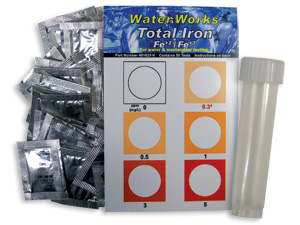
TEST PROCEDURE:
- Add contents of one iron powder pillow to the supplied vial.
- Fill the vial with water sample to top line.
- Close the vial with the screw cap and shake for 20 seconds.
- Wait 3 minutes for the color to develop.
- Remove the cap.
- Place vial in white circles and look down into the vial to match to the nearest color block, on the reverse side, to determine the iron concentration.
National Secondary Drinking Water Regulations, as set forth by the USEPA, recommend an iron level of no more than 0.3 ppm. Detection levels for the WaterWorksTM Total Iron visual test are 0, 0.3, 0.5, 1, 3, 5 mg/L (ppm). The test kit contains 50 individually wrapped foil powder pillows, a test vial with cap, and a color chart card — everything you need to detect total iron in drinking water.
Interested in purchasing the WaterWorksTM Total Iron visual test kit? Click here.
Older Homes, Older Plumbing… Lead in the Water?
For those with older homes which may still have copper piping, please note that in a lot of cases plumbers used lead-based solder to connect the older copper pipes. Over time the lead from that solder typically found its way into the water carried by those pipes. If you suspect that you may have these older pipes and solder-based connections in your home, we suggest that you use one of the following lead in water drinking water test kits on a periodic basis:
Should any of the results turn up positive for lead, meaning your drinking water contains 15ppb or greater concentration of dissolved lead, we highly recommend you have your water evaluated by a certified water professional.
Although we keep repeating ourselves, do-it-yourself drinking water test kits serve as great screening tools for the average consumers but no one should ever rely upon them as their sole testing method. Remember: It’s your water, your health, your life.
Why Should I Test My City Water Supply?
An excellent question!
Many municipalities still use the older, metal-based piping systems put in the ground many years ago when concepts such as sterilization did not enter city planners’ minds. Over time these large systems of metal pipes may have shifted as a result earthquakes, vibrations from vehicles traveling the roads above them, etc. Connections between pipes may have gotten wrenched slightly out of place resulting in the creation of small openings where outside matter such as dust, dirt, debris and harmful bacteria could enter the water supply.
Here’s a fact that many NEW homeowners overlook: While almost all new homes built in the United States use PVC or some other form of high density, metal-free piping to convey water into the residence, they still must connect those brand new plastic pipes to the older metal water pipes coming from their local water supplier.
Remember we said that a lot of the older water systems used metal pipes? What happens to metal over time? It corrodes, right? Where do you think those broken off pieces of metal may wind up? Answer: Your faucet.
The question which naturally follows deals with figuring out the most appropriate way to test the water coming into one’s home, school or place of business. To this end we recommend several different water quality test kits, all regarded by water professionals as some of the most accurate, reliable and easy-to-use water quality test kits in the industry. Oh, and remember that since we DID say ‘easy-to-use’, you won’t need to break out your old chemistry text books from high school.
- WaterSafe All-In-One Drinking Water Test Kit
- Complete Water Quality Test Kit
- Drinking Water Quality Test Kit
Although we keep repeating ourselves, do-it-yourself drinking water test kits serve as great screening tools for the average consumers but no one should ever rely upon them as their sole testing method. Remember: It’s your water, your health, your life.
Water Testing Categories
Recent Articles
Water Testing Blog on Twitter
Sign Up for Water & Enviro News
Blogroll
Meta
Multipure Water Filters
-
Once you have properly tested your drinking water and learned what quality issues may need attention, then you can begin your search for the right water treatment system to address your unique water quality concerns!


